
From Projects to Progress: Why Sustainable Community Development Must Deliver Lasting Results
By Adeleke Olubanwo | Dailynewscover.com
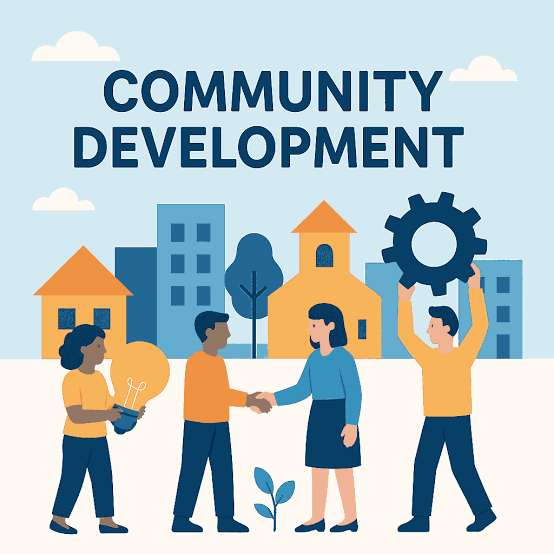
Community development is often measured by the number of projects launched, people reached or donations distributed. But for communities facing rising living costs, unemployment, food insecurity and inadequate basic services, a more important question remains: what changes after the intervention ends?
Across Nigeria, the need for effective community development has become increasingly urgent. Families require more than temporary relief. Farmers need dependable markets, young people need practical skills, small businesses need opportunities to grow, and communities need access to essential services that can improve their quality of life over time.

The challenge is not simply to launch more interventions, but to ensure that these initiatives produce measurable and sustainable benefits.
Beyond short-term assistance
Community development works best when local people are active participants rather than passive recipients of assistance. Projects designed without adequate knowledge of local needs can struggle to deliver lasting results, even when they begin with good intentions.
A community may need a functioning water supply more urgently than a one-off donation. Farmers may benefit more from reliable buyers, improved production techniques and access to agricultural inputs than from temporary support. Similarly, vocational training delivers greater value when participants can secure jobs, attract customers or establish viable businesses afterwards.
This is why development programmes must be judged by their outcomes, including improved household income, better access to essential services, stronger local businesses and increased economic resilience.
Public programmes and the community development challenge
Nigeria’s Community Action for Resilience and Economic Stimulus programme, supported by the World Bank, provides an example of efforts to strengthen livelihoods and improve food security. In March 2025, the World Bank approved an additional $500 million in financing for the programme as part of a wider package supporting education, nutrition and household resilience.
The programme is designed to expand access to livelihood support, food security services and grants for poor and vulnerable households and businesses. Its emphasis reflects a wider development lesson: communities need interventions that help people withstand economic shocks while building their capacity to earn a living.
However, funding commitments and programme announcements are only part of the story. The ultimate test is whether assistance reaches intended beneficiaries, whether projects are completed properly and whether the benefits remain visible after implementation.
Transparent reporting, community participation and credible monitoring are essential to building public confidence in development programmes.
The role of businesses in community development
Government cannot address every community need alone. Businesses can also contribute through responsible investment, local sourcing, skills development, environmental action and partnerships that strengthen livelihoods.
Nestlé Nigeria offers examples of corporate-community initiatives in these areas. The company’s published information describes programmes supporting rural women retailers, local dairy production and community environmental action.
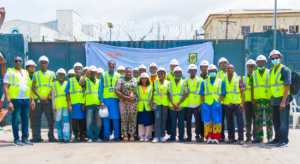
In June 2025, Nestlé Nigeria reported that its nationwide clean-up and community sensitisation campaign mobilised 516 volunteers across 11 cities. The company said the exercise removed 5,601 kilogrammes of solid waste and 379.2 kilogrammes of recyclable waste.
- Locations (11 Cities/Markets):
- Lagos: Oke-Arin Market
- Abuja: Utako Market
- Kano: Abubakar Rimi Market
- Jos: Satellite Market
- Sagamu: Sabo Market
- Ibadan: Bodija Market
- Agbara: Okoko Market
- Abaji: Abaji Market
- Enugu: Holyghost Market
- Awka: Aguawka Market
- Port Harcourt: Mile 3 Market
The initiative illustrates how businesses can work with community organisations and local authorities to address visible environmental challenges. Yet a clean-up exercise is only one part of a broader solution. Sustained progress also depends on reliable waste collection, public participation, effective disposal systems and markets for recyclable materials.

Corporate initiatives are most valuable when they complement wider public efforts and help communities develop the capacity to maintain improvements beyond the life of a campaign.
Strengthening livelihoods through local production
Community development can also be advanced by strengthening local value chains. When farmers, processors, transporters, retailers and other small businesses have access to training and dependable markets, economic benefits can extend beyond individual participants.
Nigeria’s dairy sector illustrates this connection. In a report published in February 2025, Nestlé Nigeria announced an investment of more than ₦1.8 billion in dairy development through its livestock development project. The initiative includes work with dairy communities, farmer capacity building and infrastructure intended to support milk production and quality.
Such interventions point to the potential of linking community livelihoods with productive economic activity. However, lasting impact depends on practical issues such as fair market access, dependable purchasing arrangements, animal health, access to water and feed, and the ability of local producers to maintain their businesses.
For communities to benefit sustainably, development partnerships must help people build productive capacity rather than remain dependent on short-term assistance.
Measuring what really matters
One of the persistent challenges in community development is determining whether programmes have delivered meaningful results. Counting participants, distributing materials and announcing investments can demonstrate activity, but they do not automatically establish long-term impact.
A stronger approach would track indicators such as changes in household income, the number of businesses still operating after support ends, improvements in access to safe water, agricultural productivity, jobs created and the participation of women and young people in local economic activities.
Independent monitoring and clear public reporting can also help identify weaknesses, improve programme design and ensure that resources are used responsibly.
Communities themselves should have opportunities to assess projects, report challenges and contribute to decisions about future interventions. Their feedback can help ensure that programmes address genuine needs rather than priorities determined entirely from outside.
Building partnerships that last
Sustainable development requires cooperation among government agencies, private businesses, community leaders, civil society organisations, financial institutions and residents. Each has a role to play in identifying local priorities, providing resources, implementing projects and evaluating results.
Government can establish effective policies and public infrastructure. Businesses can support skills, enterprise development and local supply chains. Community organisations can help identify vulnerable households and strengthen participation, while development partners can contribute technical expertise and funding.
These partnerships must also recognise that communities differ. A farming settlement may prioritise storage facilities and access to buyers, while an urban neighbourhood may need improved sanitation, vocational training or support for small enterprises.
Effective development therefore begins with listening to communities and designing solutions around their circumstances.
From good intentions to measurable change
Nigeria needs community development programmes that deliver more than publicity, short-term relief or impressive launch events. It needs interventions that help households earn more sustainably, businesses grow, young people build productive careers and communities access essential services.
Corporate social responsibility and public development spending can contribute significantly when they are guided by local needs, transparent implementation and measurable outcomes. But lasting success requires sustained commitment, accountability and evidence that benefits continue after initial support has ended.
Ultimately, the true measure of community development is not the number of projects announced. It is whether people are better equipped to improve their lives, withstand future challenges and build a more secure future for their communities.
For Nigeria, the priority must be clear: move beyond counting interventions and start measuring lasting change.
Do You Need More Trending Updates? Then kindly bookmark our blog Realgosipcenter.com.ng, we will update you with more latest musics in mp3 audio format and video in mp4 formats as soon as they drop for quick downloads.Discover more from DailyNewsCover – Nigeria Breaking News, Politics, Business, Entertainment & Sports
Subscribe to get the latest posts sent to your email.